Decarbonising district heating requires more than identifying promising technologies. It also calls for realistic demand forecasts, investment planning and policies that help turn technical solutions into viable projects. These shared challenges brought Low2HighDH together with other EU-funded initiatives in the DH Synergy Hub, a collaborative network focused on integrating low-grade renewable energy and waste heat into district heating systems.
Low2HighDH contributed to the Hub’s activities throughout the project. In March 2025, it organised the online webinar Transforming Europe’s DHC Networks. The event brought projects together to present and compare their approaches to developing transformation plans for district heating and cooling networks across different regions. Low2HighDH shared its work in Lithuania, Poland and Slovakia.
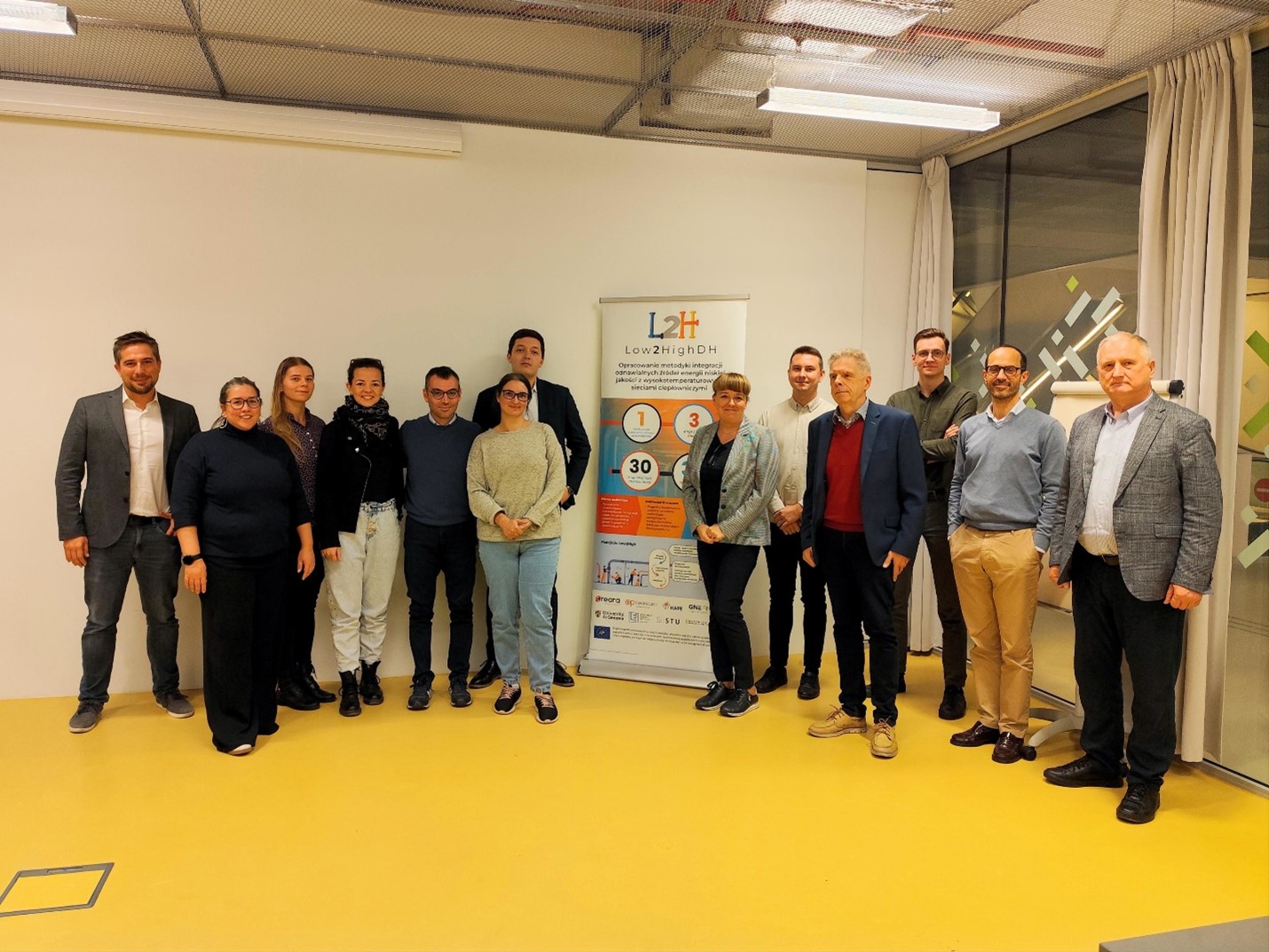
In October 2025, Low2HighDH joined four other projects, namely SupportDHC, ENABLE DHC, Green Heat Life and DHC SwEEtch, in a workshop at the Sustainable Places conference in Milan. The projects presented case studies and investment approaches for decarbonising existing networks, then exchanged views on regulatory challenges and practical lessons from operators and consultants.
The collaboration also helped bring project findings into wider discussions on policy and finance. In September 2026, Low2HighDH was among the DH Synergy Hub projects presenting policy and financing recommendations for a supportive framework for district heating and cooling decarbonisation.
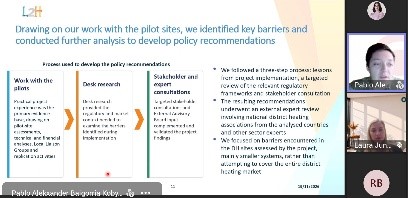
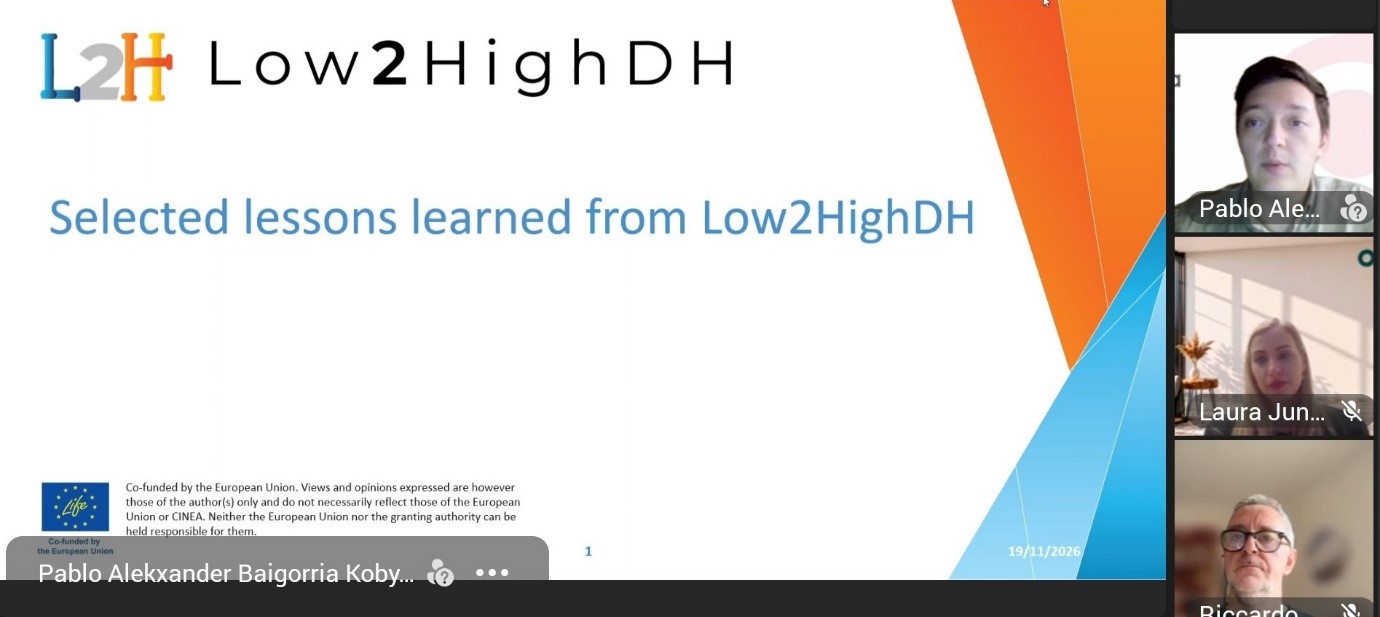
Low2HighDH concluded in September 2026, but the exchange continued. At the Hub’s 10th meeting on 19 November, Pablo Baigorria presented findings on heat-demand forecasting, challenges in integrating low-grade renewable energy sources, and policy recommendations informed by the project’s work.
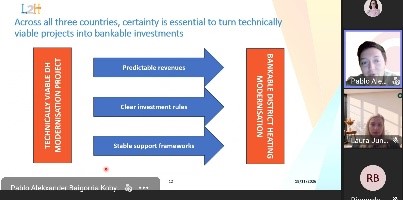
The presentation highlighted why accurate demand forecasts matter for investment planning. Both the number of connected buildings and their heat consumption need to be considered; consumption can also change with climate conditions and building renovations. Technically viable district heating modernisation needs predictable revenues, clear investment rules and stable support frameworks to become bankable.
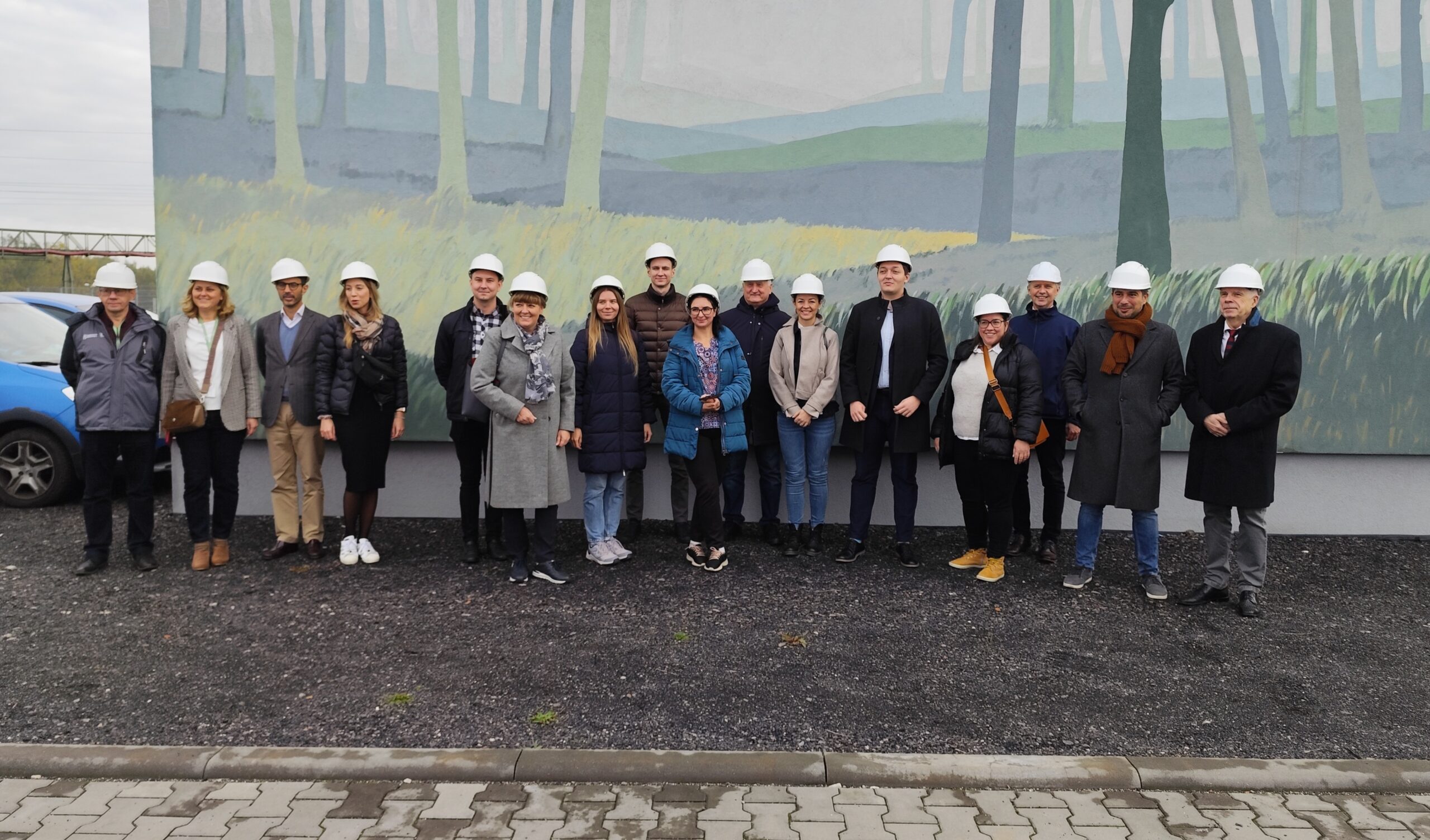
Across webinars, conference workshops and Hub meetings, Low2HighDH shared practical experience and engaged with projects facing related challenges. This sustained collaboration made it possible to compare approaches, discuss common barriers and carry lessons from individual project work into broader sector and policy conversations. Thanks to all projects and people we had the amazing opportunity to collaborate with!